
PPO dental pre-authorization is an insurance estimate requested before treatment. It is commonly used for major dental work such as crowns, bridges, dentures, implants, gum disease treatment, oral surgery, and some orthodontic care. It can clarify expected benefits, but it is not a guarantee of payment.
If you are planning major dental treatment in Hayward, Castro Valley, San Leandro, Union City, or another East Bay community, pre-authorization can prevent expensive surprises. It can also slow care if you wait for paperwork while a tooth is infected, fractured, swollen, or painful.
At Fab Dental, we work with PPO insurance plans daily. One pattern is impossible to miss: insurance decisions affect treatment timing, out-of-pocket cost, and patient confidence. A delayed estimate can make a patient postpone care. A misunderstood “approval” can create a billing dispute. A missing X-ray can turn a covered procedure into a denied claim.
This guide explains when PPO dental pre-authorization is needed, how it works, what it protects you from, what it does not protect you from, and when you should call a dentist before waiting for insurance.
Need help understanding your PPO benefits before major dental work?
Call Fab Dental in Hayward to schedule an exam or benefits review.
Schedule an examWhat PPO Dental Pre-Authorization Means
Dental pre-authorization, also called pre-approval or pre-determination, means your dentist sends treatment records to your PPO insurance company before treatment so the insurer can estimate what it may cover.
A PPO, or Preferred Provider Organization, is a dental insurance plan that lets you see in-network and often out-of-network dentists, usually with better benefits when you choose an in-network provider. If you want a broader overview of how these plans work locally, read our guide to PPO dental insurance in Hayward. Pre-authorization is the plan’s “review before treatment” process.
Think of it as asking the insurance company: “Based on this patient’s plan rules and clinical records, what portion of this treatment do you expect to pay?”
Your dentist may send:
- Treatment codes, which are standardized dental billing codes
- X-rays showing the tooth, bone, roots, or missing teeth
- Clinical notes explaining the diagnosis
- Periodontal charting, which records gum pocket depths
- Photos, if the plan requests visual proof
- A treatment narrative, which is a written explanation of why care is needed
For example, if you need a dental bridge in Hayward to replace a missing molar, your dentist may submit:
- X-rays showing the missing tooth and neighboring teeth
- The proposed bridge code
- Notes explaining why a bridge is recommended
- Bone support information around the anchor teeth
- Photos or additional records, depending on the plan
The insurance company may respond with an estimate such as:
- The bridge is covered at 50%
- Your deductible applies
- Your annual maximum has $900 remaining
- The plan will pay based on a removable partial denture instead
- The bridge is denied because the tooth was missing before the policy began
That last example catches patients off guard. Many people assume PPO coverage means “covered if the dentist says I need it.” Dental PPO plans are contracts with exclusions, waiting periods, replacement rules, missing tooth clauses, downgrade provisions, and annual maximums.
Plain English version: pre-authorization helps expose the fine print before you commit to expensive treatment.
Why Pre-Authorization Is Not Final Payment
A PPO pre-authorization is an estimate of benefits, not a payment guarantee. Final claim payment still depends on active coverage, remaining benefits, procedure details, documentation, and plan rules at the time treatment is completed.
This is the most common insurance misunderstanding I see in practice.
A patient hears “approved” and understandably thinks, “Insurance has promised to pay.” Most insurance companies avoid that promise. Their pre-authorization letters usually include language stating that the estimate is not a guarantee of payment.
Final payment can change for several specific reasons:
| Why Payment Can Change | Example |
|---|---|
| Your annual maximum changes | You use $600 of benefits at another office before the crown claim is paid |
| Your coverage ends | You change jobs before treatment is completed |
| The procedure changes | A filling becomes a crown after decay is removed |
| The plan applies a downgrade | Your plan pays for a metal crown amount even if you choose porcelain |
| Documentation is reviewed differently | The insurer requests more X-rays or denies the final claim |
| Waiting periods apply | Your plan excludes major services for the first 6 or 12 months |
| Eligibility changes | The patient or subscriber is no longer active on the plan |
Here is a common real-world example: a patient needs a crown on a cracked molar. The pre-authorization estimates that the PPO plan will pay 50%. During treatment, the dentist discovers there is not enough healthy tooth structure to support the crown, so the tooth also needs a buildup. A buildup is a separate procedure that restores the core of the tooth before the crown is placed. That service may have different coverage rules.
Nobody did anything deceptive. Dentistry is clinical. Insurance is contractual. The tooth does not always behave according to the benefit booklet.
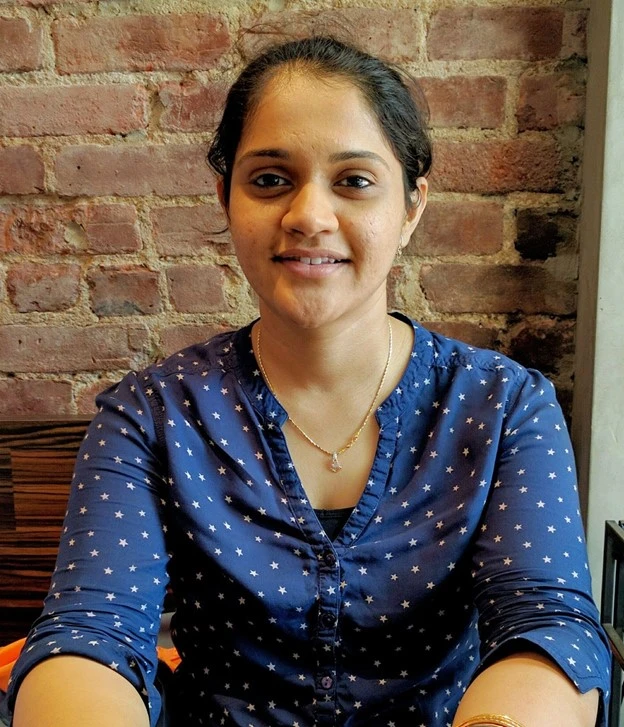
Dr. Guneet Alag often explains it this way:
“I tell patients to treat pre-authorization as a financial flashlight, not a contract. It helps us see the road ahead, but it does not remove every pothole. The safest approach is to combine insurance estimates with a real clinical exam, good X-rays, and a clear treatment plan.”— Dr. Guneet Alag, DDS, FAGD
The practical takeaway: use pre-authorization for planning, but do not mistake it for a cashier’s check from your insurance company.
Which Major Dental Treatments Often Need Pre-Authorization
PPO dental insurance pre approval is most useful for expensive, complex, or rule-heavy procedures, especially when the plan may request documentation or apply exclusions.
Not every dental visit needs pre-authorization. Routine cleanings, basic exams, simple X-rays, and small fillings often move through insurance without a pre-treatment review. Once treatment becomes costly or multi-step, pre-authorization becomes more valuable.
Common treatments that may need or benefit from pre-authorization include:
- Dental crowns
- Dental bridges
- Complete dentures
- Partial dentures
- Dental implants in Hayward, CA
- Implant crowns
- Bone grafting
- Periodontal deep cleaning
- Gum surgery
- Root canals, depending on the plan
- Extractions and oral surgery
- Night guards
- Invisalign in Hayward, CA or other orthodontic treatment
- Replacement of old crowns, bridges, dentures, or partials
A quick definition: periodontal deep cleaning is also called scaling and root planing, or SRP. It is not a regular cleaning. It is gum disease treatment that removes bacteria and hardened tartar below the gumline when pockets and bone loss are present. If you are unsure whether you need routine cleaning or SRP, our guide to deep cleaning vs. regular cleaning in Hayward explains the difference.
Pre-authorization is especially smart when treatment is:
- Over $500 to $1,000
- Planned rather than urgent
- A replacement of existing dental work
- Related to missing teeth
- Implant-related
- Part of a larger treatment sequence
- Likely to trigger a downgrade or alternate benefit
For example, if you broke a front tooth and need a crown, your PPO may want X-rays and notes showing the tooth cannot be restored with a filling. If you want to replace a missing tooth with an implant, the plan may ask when the tooth was lost, whether implants are covered, and whether the tooth was already missing before the policy started.
For patients searching for PPO dental pre authorization Hayward, the real question is usually this: “Should I wait for insurance before starting?”
The answer depends on urgency. If the tooth is stable and you are comparing options, waiting may help. If you have swelling, severe pain, trauma, or infection symptoms, call a dentist first.
When Dental Problems Should Not Wait for Approval
Severe pain, swelling, fever, facial swelling, trauma, pus, or trouble swallowing should be evaluated promptly. PPO pre-authorization may help with later treatment planning, but urgent dental problems should not sit in an insurance queue.
Dental insurance systems are built for claims processing. Dental infections are not courteous enough to wait for claims processing.
If a patient calls with a swollen jaw and a throbbing tooth, the first priority is clinical safety. The dental team needs to determine whether there is an infection, fractured tooth, abscess, or trauma-related injury. Waiting days or weeks for an insurance response can allow a manageable problem to become a more serious one.
Call an emergency dentist in Hayrward promptly if you have:
- Facial swelling
- Gum swelling with pus
- Severe toothache that keeps you awake
- Pain when biting that is worsening
- Fever with dental pain
- A knocked-out tooth
- A loose or broken tooth after trauma
- Difficulty opening your mouth
- Trouble swallowing or breathing
Trouble breathing or swallowing with facial swelling can signal a serious spreading infection and should be treated as urgent.
Here is a local example we have seen in different forms many times: a Hayward patient cracks a molar on a Friday night. It hurts only when biting, so they hope to wait for insurance approval. Two weeks later, the crack has deepened, the nerve is inflamed, and the tooth now needs root canal treatment in Hayward before a crown. In some cases, delayed care can turn a savable tooth into an extraction case.
That does not mean insurance should be ignored. It means urgent care and financial planning should happen at the same time.
At Fab Dental, we have emergency access for Hayward-area patients and work with many PPO plans. If you are in pain, call first. Our team can help determine what records are needed, whether pre-authorization makes sense, and what can be done immediately to stabilize the problem.
Dental pain or swelling in Hayward?
Call Fab Dental promptly for emergency availability.
Request Emergency HelpHow Insurance Approval Depends on Documentation
Dental insurance approval for major dental work usually depends on proof. Your dentist must show why treatment is needed using X-rays, notes, gum measurements, photos, and procedure-specific documentation.
Insurance companies do not examine your mouth. They review records. That makes documentation one of the most important parts of dental insurance approval for major dental work.
For a crown, the insurer may want evidence of:
- Large decay
- A cracked tooth
- A failing large filling
- Root canal treatment
- Broken cusps
- Too little healthy tooth structure for a filling
For a bridge, the insurer may want evidence of:
- The missing tooth location
- The condition of neighboring teeth
- Bone levels around the anchor teeth
- Whether a removable partial denture is an alternate benefit
- Whether the missing tooth is covered by the plan
For periodontal deep cleaning, the insurer may want:
- Periodontal charting
- Gum pocket measurements
- Bone loss visible on X-rays
- Bleeding or inflammation notes
- A gum disease diagnosis
For Invisalign or orthodontic treatment, the plan may check:
- Whether orthodontic benefits exist
- Age limits
- Lifetime maximums
- Treatment length
- Whether adult orthodontics are covered
This is why no dental office can give you a reliable final estimate without an exam and X-rays. A chipped front tooth may need bonding, a veneer, or a crown. If the nerve is injured, it may need a root canal. If your bite is causing repeated fractures, the treatment plan may need to address bite forces as well as appearance.
Each diagnosis has different insurance codes and different costs.
Final pricing depends on:
- Exam findings
- X-rays
- Procedure complexity
- Materials used
- Additional procedures
- PPO fee schedule
- Deductibles
- Annual maximums
- Waiting periods
- Benefits verification
A good dental office should be able to explain the estimate in normal language. If the explanation sounds like alphabet soup, ask the team to slow down and translate the codes into actual treatment steps.
How PPO Plan Rules Affect Approval
Some PPO plans require pre-authorization before certain services. Others only recommend it as an estimate. The only reliable approach is to verify your exact benefits before treatment.
Two patients can both say, “I have Delta Dental,” “I have MetLife,” “I have Cigna,” or “I have Aetna,” and have completely different benefits. Employers buy different plan designs, and those designs control what is covered.
One plan may cover crowns at 50% after a deductible. Another may have a 12-month waiting period. Another may cover a crown only if the existing crown is more than five years old. Another may pay for a less expensive alternative even when you choose a different treatment.
Here are the plan rules that often affect pre-authorization:
| Plan Rule | Plain-English Definition | Example |
|---|---|---|
| Waiting period | Time you must be enrolled before coverage begins | Major services not covered for 12 months |
| Frequency limit | How often a procedure is covered | Crown replacement covered once every 5 to 7 years |
| Missing tooth clause | Teeth missing before the plan started may not be covered | Bridge denied because molar was missing before enrollment |
| Alternate benefit | Plan pays for a lower-cost acceptable option | Implant paid at partial denture benefit level |
| Annual maximum | The most the plan pays in a benefit year | $1,500 yearly max, with $600 already used |
| Deductible | Amount you pay before benefits apply | $50 deductible applies to a crown |
| Downgrade | Plan pays based on a lower-cost material or option | Porcelain crown paid at metal crown rate |
This is why “Do you take my insurance?” is too vague.
A better question is: “Can you verify my PPO benefits and estimate my out-of-pocket cost for this specific treatment plan?”
At Fab Dental, we are a PPO-focused office. We regularly help Hayward patients navigate benefit verification, estimates, pre-authorizations, denials, and treatment sequencing. We cannot force an insurance company to pay a claim it does not owe under the contract. We can help you understand the rules before you make a major decision.
How Long PPO Pre-Authorization Takes
PPO dental pre-authorization often takes several business days to a few weeks. Timing depends on the insurance company, submission method, documentation quality, and whether more records are requested.
This delay frustrates patients, and for good reason. You have the exam. You understand the treatment. You are ready to fix the problem. Then the insurance company asks you to wait.
Typical timelines look like this:
| Situation | Possible Timeline |
|---|---|
| Simple benefit verification | Same day to a few business days |
| Electronic pre-authorization with complete records | Several business days to 2 weeks |
| Paper or mailed pre-authorization | 2 to 4+ weeks |
| Request for additional information | Adds days or weeks |
| Complex implant, bridge, denture, or periodontal case | Often longer |
A crown pre-authorization with clear X-rays and a strong narrative may return quickly. A full-mouth plan involving extractions in Hayward, bone grafting, implants, temporary teeth, and final restorations may require staged submissions.
This is where clinical sequencing matters.
If you need four crowns and your annual maximum is $1,500, it may make sense to phase treatment across benefit years if the teeth are stable. If one tooth is cracked and painful, delaying it to “save benefits” may raise the risk of root canal treatment, fracture, infection, or tooth loss.
My practical rule: use insurance strategically, but do not let the insurance calendar outrank the diagnosis.
Why Pre-Authorization Can Be Denied
A denial does not automatically mean treatment is unnecessary. It may mean your plan excludes the procedure, needs stronger documentation, applies a frequency limit, or pays only for a cheaper alternative.
This is one of the hardest parts of dental insurance for patients to accept.
A dentist recommends treatment based on diagnosis, risk, tooth structure, gum health, bite forces, infection, function, and long-term prognosis. An insurance company pays based on a contract. Those standards often overlap, but they are not identical.
Common denial reasons include:
- Missing X-rays
- Unclear X-rays
- Insufficient documentation of tooth structure loss
- Crown requested, but insurer believes a filling is enough
- Replacement requested too soon under plan rules
- Tooth was missing before the policy started
- Implants are excluded
- Periodontal charting was not submitted
- Waiting period has not been satisfied
- Annual maximum is already used
- Procedure is considered cosmetic by the plan
- Plan requires a different code or additional narrative
Example: a patient has an old crown with open margins and recurrent decay. Clinically, replacement may be the right recommendation. But if the crown is only three years old and the plan covers replacement every five years, insurance may deny payment.
Another example: a patient wants an implant to replace a missing molar. The dentist may agree that an implant is the strongest long-term option. The PPO plan may exclude implants and pay only toward a removable partial denture.
That does not make the implant unnecessary. It means the plan has limited benefits.
If pre-authorization is denied, the next step may be:
- Submit additional X-rays or photos
- Send a stronger clinical narrative
- Appeal the decision
- Ask whether an alternate benefit applies
- Compare treatment options
- Phase treatment over time
- Review financing or payment timing
A denial is not always the end of the conversation. Sometimes it is a documentation problem. Sometimes it is a contract limitation. The next move depends on which one you are dealing with.
How Pre-Authorization Helps You Compare Options
Pre-authorization helps you compare treatment options by expected cost, coverage, timing, durability, comfort, appearance, and clinical risk.
Patients often ask, “What is the best option?”
The honest answer depends on the mouth in front of us. A strong treatment plan accounts for diagnosis, gum health, tooth structure, bone support, bite forces, medical history, goals, timeline, and budget.
Let’s say you are missing one lower molar. Your options may include:
| Option | Advantages | Tradeoffs |
|---|---|---|
| Dental implant | Does not rely on neighboring teeth; strong long-term option | Higher upfront cost; surgery; healing time; insurance may be limited |
| Dental bridge | Fixed teeth; often faster than an implant; strong chewing support | Requires reshaping neighboring teeth; harder to floss; anchor teeth must stay healthy |
| Removable partial denture | Often lower cost; can replace multiple teeth | Removable; less stable; may feel bulky |
| No replacement | Lowest immediate cost | Teeth can shift; bite can change; chewing imbalance may worsen |
Pre-authorization can show how your PPO plan treats each option. If you are deciding between a fixed bridge and an implant, our comparison of dental bridge vs. implant in Hayward may help you understand the clinical tradeoffs before insurance enters the picture.
Your plan may cover a bridge but not an implant. It may cover the implant crown but not the implant body. It may pay an alternate benefit equal to a partial denture. These distinctions can change your out-of-pocket estimate by hundreds or thousands of dollars.
Still, cost is only one variable.
A cheaper option can become expensive if it fails early, damages adjacent teeth, or does not restore chewing. A higher-cost option can be worth it if it lasts longer, preserves tooth structure, and fits your priorities. The best answer is not automatically the cheapest option or the newest technology. It is the option that fits your clinical condition and your life.
Good treatment planning starts with dentistry, then uses insurance as a planning tool.
Why Diagnosis Comes Before Insurance Codes
You cannot get an accurate pre-authorization without a diagnosis and treatment plan. Insurance codes come after the dentist identifies the problem and selects the appropriate treatment.
This is where many patients get stuck.
They call and ask, “How much is a crown with my PPO?” That is a reasonable question. It may still be impossible to answer accurately before an exam.
The tooth may not need a crown. It may need more than a crown.
For example:
- A small cavity may need a filling.
- A cracked cusp may need a crown.
- A deep cavity into the nerve may need a root canal and crown.
- A tooth broken below the gumline may need extraction and replacement.
- A failing old crown may need a buildup, crown lengthening, or extraction.
The insurance code is the label. The diagnosis is the map. If the map is wrong, the estimate is wrong.
A good exam may include:
- Digital X-rays
- Tooth-by-tooth evaluation
- Gum measurements
- Bite evaluation
- Photos
- Review of symptoms
- Medical history review
- Discussion of goals, budget, and timing
This is especially important for patients who have not seen a dentist in several years. A tooth that seems to “just need a crown” may also have gum disease, bone loss, bite trauma, root decay, or nerve involvement. Those findings change both treatment options and insurance estimates.
At Fab Dental, our Hayward team sees families, working adults, students, and retirees with a wide range of PPO plans. We would rather give you a careful answer after an exam than a falsely simple quote over the phone.
How Fab Dental Helps With PPO Pre-Authorization in Hayward
Fab Dental helps Hayward PPO patients verify benefits, submit documentation, estimate out-of-pocket costs, review denials, and plan treatment timing for major dental work.
Insurance navigation is not the glamorous part of dentistry. It is one of the parts that determines whether patients actually complete care.
A treatment plan that ignores benefits can feel financially impossible. An insurance conversation that ignores clinical risk can lead to dangerous delays. The goal is to connect both sides: what your mouth needs and how your benefits may apply.
Fab Dental supports Hayward-area patients with:
- PPO-focused insurance coordination
- Major treatment estimates
- Pre-authorization submissions when appropriate
- Emergency dental access
- Family dentistry for adults and children
- Invisalign experience
- Implant and restorative treatment planning
- A 5.0 rating with over 1,000 reviews
That review history matters because major dental decisions require trust. When you are deciding on a crown, bridge, implant, denture, deep cleaning, or second opinion, you need a team that can explain what is needed, why it matters, when it should happen, and how insurance may affect the cost.
If you are comparing options, bring your questions. If you received a denial, bring the letter. If another office gave you a treatment plan and you want clarity, schedule an exam. The goal is not pressure. The goal is a confident, informed decision.
What to Bring to a Pre-Authorization Appointment
Bring your insurance card, photo ID, recent X-rays, prior treatment plans, denial letters, medication list, and a clear description of your symptoms or goals.
A little preparation can prevent days of back-and-forth with insurance.
Before your appointment, gather:
- PPO dental insurance card
- Subscriber name and date of birth
- Employer or group number, if available
- Photo ID
- Recent dental X-rays
- Previous treatment plan or estimate
- Insurance denial or pre-authorization letter
- Medication list
- Medical condition list
- Notes about pain, swelling, sensitivity, or broken teeth
- Your main goal: save a tooth, replace a tooth, improve appearance, chew better, reduce pain, or compare options
If your spouse or parent is the insurance subscriber, the dental office may need that person’s date of birth and employer information to verify benefits. Without it, verification may be delayed.
If you received a denial letter, keep it. Denial letters often contain useful clues. They may state that the plan needs additional X-rays, the procedure is not covered, the frequency limit has not been met, or an alternate benefit applies.
That letter can help the dental team decide whether an appeal is realistic.
When to Schedule an Exam Before Major Dental Work
Schedule an exam before starting major dental work so your dentist can confirm the diagnosis, take X-rays, create a treatment plan, and verify PPO benefits or submit pre-authorization when appropriate.
If you are searching for PPO dental pre authorization Hayward, you are likely trying to avoid one of two problems:
- Starting treatment without knowing your likely cost
- Waiting for insurance while your dental problem worsens
Both concerns are valid.
The solution is not guessing. The solution is diagnosis first, insurance planning second.
Call Fab Dental in Hayward if:
- You were told you need a crown, bridge, implant, denture in Hayward, root canal, or deep cleaning
- You want to know whether PPO dental insurance pre approval is needed
- You received a denial and do not understand it
- You have dental pain and are worried about cost
- You want a second opinion before major dental work
- You need help verifying PPO benefits
Final pricing depends on your exam, X-rays, procedure complexity, needed materials, PPO fee schedule, deductibles, annual maximums, waiting periods, and benefits verification. A clear appointment gives you more than a guess. It gives you a diagnosis, an estimate, and a path forward.
FAQ
Is PPO dental pre-authorization required before major dental work?
Sometimes. Some PPO plans require pre-authorization for specific major procedures. Others use it as an optional estimate. Crowns, bridges, implants, dentures, periodontal treatment, oral surgery, and orthodontics are common procedures where pre-authorization may help.
Is dental pre-authorization the same as approval?
Not exactly. People often say “approval,” but most dental pre-authorizations are estimates of benefits. Final payment can still change based on eligibility, remaining benefits, procedure codes, documentation, and plan rules.
How long does PPO dental insurance pre approval take?
It can take several business days to a few weeks. Electronic submissions with complete X-rays and clinical notes are often faster. Paper submissions, complex treatment plans, and requests for additional information usually take longer.
Can I start treatment before pre-authorization comes back?
Yes, in many cases. The right choice depends on urgency. If you have pain, swelling, infection, trauma, or a broken tooth, call a dentist promptly. If treatment is stable and elective, waiting for the estimate may help with financial planning.
What treatments usually need pre-authorization?
Common examples include crowns, bridges, dentures, implants, bone grafts, gum disease treatment, oral surgery, night guards, and Invisalign or other orthodontic treatment. Requirements vary by PPO plan.
Does pre-authorization guarantee my insurance will pay?
No. Pre-authorization does not guarantee payment. Final payment depends on active coverage, eligibility at the time of treatment, annual maximum, deductible, exclusions, procedure codes, and claim review.
Why did my insurance deny treatment my dentist recommended?
A denial may mean the plan excludes the service, needs more documentation, has a waiting period, applies a frequency limit, or pays only for a lower-cost alternate benefit. It does not automatically mean the treatment is clinically unnecessary.
Can Fab Dental help submit PPO pre-authorization in Hayward?
Yes. Fab Dental is a PPO-focused dental office in Hayward. Our team can help verify benefits, prepare documentation, submit pre-authorizations when appropriate, and explain estimated out-of-pocket costs.
What if I have a dental emergency and no pre-authorization?
Call a dentist promptly. Severe pain, swelling, fever, trauma, pus, or signs of infection should not wait for insurance pre-authorization. The dental team can evaluate the urgent issue and help you understand insurance options as care is planned.
How do I get an accurate cost estimate for major dental work?
Start with an exam and X-rays. Final pricing depends on diagnosis, procedure complexity, materials, PPO fee schedules, deductibles, annual maximums, waiting periods, and benefits verification. Pre-authorization can improve the estimate, but it cannot guarantee final payment.