
If you are comparing digital dentures vs traditional dentures in Hayward, digital dentures often win on speed, consistency, stored records, and easier duplication. Traditional dentures still make sense for many complex cases, immediate extraction cases, highly customized aesthetic cases, and budget-sensitive treatment plans.
The most common misconception is that “digital dentures” are a new category of teeth. Usually, they are not. A digital denture is a denture made with a digital workflow, which may include scanning, computer design, 3D printing, milling, or digitally stored records.
At Fab Dental in Hayward, we help patients choose between digital dentures, traditional dentures, implant-supported dentures, partial dentures, and immediate dentures based on anatomy, bite, timeline, cost, and maintenance. Technology matters, but diagnosis matters more.
Need help deciding between digital and traditional dentures?
Schedule a denture consultation in Hayward
Compare the Workflows, Not Just the Labels
Think of dentures like prescription glasses. The lens prescription matters most, but the manufacturing process affects precision, speed, durability, and replacement. A beautiful frame with the wrong prescription is still a bad pair of glasses. Dentures work the same way.
A digital denture workflow may include:
- A digital scan of your mouth
- A physical impression that gets scanned into software
- CAD design, meaning computer-aided design
- 3D printed try-ins or prototypes
- Milled denture bases, meaning the base is carved from a solid block of material
- Digitally stored records for future replacement
- More controlled tooth positioning and bite planning
A traditional denture workflow usually includes:
- Physical impressions
- Wax rims to record bite position
- Manual tooth setup
- Wax try-ins
- Laboratory processing by hand
- Chairside adjustments after delivery
Here is a practical example I have seen many times in denture care.
A patient comes in with an upper denture they have worn for eight years. It is cracked, stained, and the teeth are worn flat, but the patient says, “I like how this one looks. I just need a newer version.” If digital design records exist, the lab may be able to reproduce the old denture with targeted improvements. That can save time and preserve the patient’s familiar smile.
If there are no records, we usually need to rebuild the case from the beginning: impressions, bite registration, tooth selection, try-in, processing, and adjustments.
That does not make digital automatically better. A traditional denture made by an excellent dentist and lab can fit beautifully. A digital denture made from poor scans or inaccurate bite records can still rub, rock, or look wrong.
Digital tools improve repeatability. They do not replace clinical judgment.
Start With Diagnosis Before Choosing Dentures
The first question should not be, “Do I need digital or traditional dentures?” The better first question is, “What does my mouth need?”
At a denture consultation, the dentist should evaluate:
- How much bone support you have
- Whether teeth need to be removed
- Whether remaining teeth can support a partial denture
- How your upper and lower jaws meet
- Whether your bite has collapsed from years of missing teeth
- Gum health and sore spots
- TMJ symptoms, meaning jaw joint pain or clicking
- Jaw muscle tenderness
- Smile line, lip support, and facial profile
- Whether implants would improve stability
- Whether a temporary or final denture should come first
Two patients may both say, “I need dentures,” but require completely different plans.
Patient A has been missing upper teeth for years, has a broad upper ridge, and has a stable lower arch. A full upper denture may work well.
Patient B has loose lower teeth, advanced bone loss, and a strong gag reflex. A standard lower denture may be frustrating because lower dentures have less natural suction than upper dentures. That patient may need implants, a staged plan, or a carefully customized lower prosthesis.
Those are not minor differences. They change cost, timing, comfort, and long-term success.
X-rays matter because they show what the eye cannot see. A tooth may look acceptable above the gumline but have infection, bone loss, or a root fracture underneath. If that tooth is used to support a partial denture and fails six months later, the entire denture plan may need revision.
Bite evaluation matters just as much. Dentures sit between two moving jaws. If the bite is uneven, the denture can rock, rub, loosen, or crack.
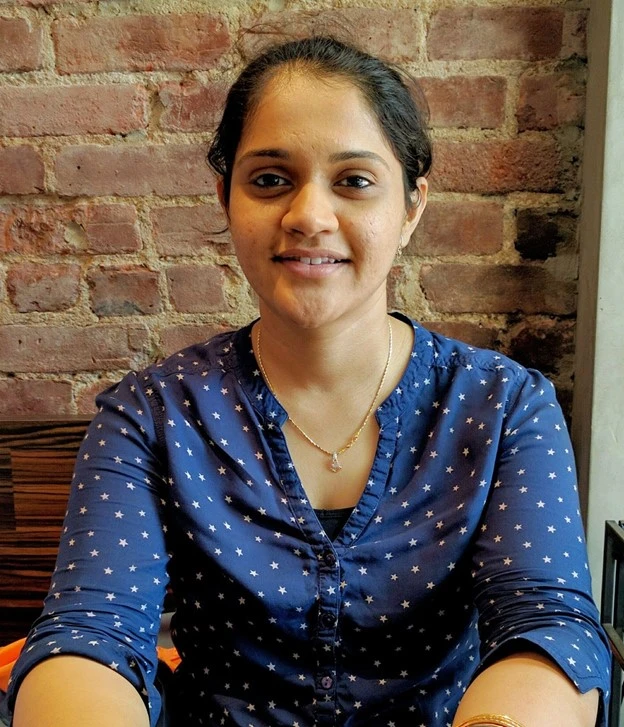
“The most successful denture cases start before the denture is made. We have to understand the patient’s bite, bone, facial support, and expectations. Digital tools are excellent, but the diagnosis is still the foundation.”— Dr. Guneet Alag, DDS, FAGD
Seek dental care promptly if you have pain, swelling, pus, fever, facial swelling, or a denture sore that is worsening instead of healing. Dentures should not create ongoing open wounds.
Fab Dental offers extended emergency dentist access in Hayward, with appointments available 7 AM to 7 PM, 7 days a week, which is helpful if your denture cracks, a tooth breaks, or a sore spot suddenly becomes painful.
Match the Workflow to the Denture Type
“Denture” is a broad term. It can refer to several treatments with different materials, timelines, and costs.
Complete Dentures Replace a Full Arch
Complete dentures replace all teeth in the upper jaw, lower jaw, or both. They can often be made digitally or traditionally.
A full upper denture usually has better natural suction because it covers the palate. A full lower denture is harder to stabilize because the tongue, cheeks, and floor of the mouth move constantly.
Example: A patient with no upper teeth and healthy gum ridges may be a strong candidate for a digital full upper denture. A patient with a severely flattened lower ridge may need extra steps, implants, or a more customized traditional approach to improve stability.
If you are just beginning to compare options, Fab Dental’s affordable dentures service page is a helpful starting point for understanding how full and partial dentures are planned.
Partial Dentures Replace Some Teeth
Partial dentures replace missing teeth while using remaining teeth for support. They may be acrylic, flexible resin, metal framework, or digitally designed depending on the case.
Example: If you are missing three back teeth on one side and two teeth on the other, a partial denture may use clasps around stable teeth. If those support teeth have cavities or gum disease, they need treatment before the partial is made.
Digital planning can help with partial denture design. Still, the health, shape, and position of the remaining teeth matter more than the software.
For cost and material comparisons, see our guide to partial denture cost in Hayward, including acrylic vs. metal options.
Immediate Dentures Protect Your Smile During Healing
Immediate dentures are placed the same day teeth are removed. They help patients avoid going without teeth during the healing phase.
Immediate dentures are useful, but they are also less predictable. After extractions, gums and bone shrink. The American College of Prosthodontists notes that bone and gum changes after tooth loss can affect denture fit over time, especially during early healing.
Example: A patient has eight failing upper teeth removed and receives an immediate upper denture the same day. It may look good immediately, but after several weeks, the denture may loosen and require adjustments, a soft liner, or a reline.
A soft liner is a temporary cushioned material placed inside the denture. A reline reshapes the inside of the denture so it fits the current gum contours.
Digital tools can help with immediate dentures. Biology still controls healing. If you are weighing timing, healing, and final fit, our article on immediate dentures vs. conventional dentures in Hayward explains the tradeoffs in more detail.
Implant-Supported Dentures Improve Stability
Implant-supported dentures use dental implants to improve retention and chewing confidence. They may be removable snap-in dentures or fixed implant bridges, depending on the number and position of implants.
This is where digital planning can be especially useful. CBCT imaging, which is a 3D dental X-ray, helps evaluate bone. Implant planning software helps coordinate implant position with the future teeth.
Example: A patient struggling with a loose lower denture may benefit from two implants that help the denture snap into place. Another patient who wants stronger chewing and fewer removable parts may consider a fixed implant bridge.
Implant dentures usually cost more and take longer than conventional dentures, but they can dramatically improve lower denture stability. If your main frustration is movement, slipping, or poor chewing power, snap-in dentures may be worth discussing.
Replacement Dentures Restore Fit, Function, and Facial Support
Replacement dentures are made when an old denture is worn, loose, stained, cracked, or no longer supporting the face well. Digital workflows can be very useful here.
Example: If your current denture is comfortable but worn down, we may use it as a reference for your new denture. If your old denture has collapsed your bite and makes your face look sunken, copying it would repeat the problem. In that case, we need to redesign the bite height and tooth position.
Patients often ask for “the same denture, just newer.” Sometimes that is smart. Sometimes it preserves the flaw that caused the problem.
Judge Fit by Anatomy, Bite, and Clinical Skill
This is where advertising often oversimplifies the decision.
A denture fits well when three things align:
- Your anatomy can support it
- Your bite distributes force evenly
- The dentist and lab capture accurate records and design the prosthesis correctly
Digital technology can improve accuracy and consistency, but it cannot create bone where bone is missing.
Upper Dentures Usually Fit More Securely Than Lower Dentures
Upper dentures often get suction from the palate. Lower dentures do not have the same advantage.
The lower denture must work around the tongue, cheek muscles, and a smaller gum ridge. That is why many patients say, “My upper denture is fine, but my lower one drives me crazy.”
That does not always mean the lower denture was made poorly. Lower denture anatomy is simply less forgiving.
Example: A patient with a broad upper palate and good ridge height may get excellent suction with either a traditional or digital upper denture. The same patient may struggle with a lower denture if the lower ridge is flat.
Bite Balance Prevents Rocking
If the bite hits too hard on one side, the denture can tilt, loosen, or crack.
Imagine a restaurant table with one short leg. The tabletop may be expensive, polished, and beautifully made, but the table still wobbles because the base is uneven.
Dentures behave similarly. If the back left teeth hit first, the right side may lift. If the front teeth hit too heavily, the denture may tip during biting.
Example: A patient bites into a sandwich and the front of the denture drops. Often, the front teeth are being loaded in a way the denture cannot tolerate. A bite adjustment may help. In other cases, the tooth setup or denture base design needs correction.
Sore Spots Should Improve After Adjustments
New dentures often need adjustments. Persistent pain, bleeding, or worsening sores need prompt evaluation.
It is normal to need one or more adjustment visits after a new denture. Gums are living tissue. They compress, heal, swell, and change.
In practice, a small sore on the cheek side of a lower denture may need a simple pressure adjustment. A sore that keeps reopening may point to a bite problem, an overextended denture border, a sharp bony ridge, dry mouth, diabetes-related healing issues, or another medical factor.
Call a dentist promptly if you have:
- Severe pain
- Bleeding sores
- Swelling
- Pus
- Fever
- A denture that suddenly no longer seats
- A broken denture with sharp edges
- Difficulty eating or speaking because of pain
Dentist Skill Still Determines the Result
A digital denture is only as good as the records used to design it.
Patients should not choose dentures based on technology alone. Choose the office that takes enough time to understand your bite, smile, expectations, and follow-up needs.
At Fab Dental, we do not treat dentures like a commodity. We look at function, cosmetics, facial support, and maintenance because dentures affect chewing, speech, confidence, and facial appearance.
Fab Dental has a 5.0 rating with more than 1,100 reviews. For denture patients, that matters because comfort and appearance require careful planning, not assembly-line dentistry.
Compare Turnaround Time by Case Complexity
Traditional dentures may take several visits because each step is created and verified manually.
A traditional denture process often includes:
- Initial exam and X-rays
- Preliminary impressions
- Final impressions
- Bite registration
- Tooth shade and shape selection
- Wax try-in
- Final delivery
- Adjustments
A digital denture process may include:
- Initial exam and X-rays
- Scan or impression
- Digital bite and design records
- Try-in or prototype, if needed
- Final delivery
- Adjustments
The exact number of visits depends on your mouth. A simple replacement denture may move faster than a full-mouth extraction and immediate denture case.
Digital Workflows Save Time in Stable Cases
Digital workflows save the most time when the anatomy is stable and the design can be planned predictably.
Examples include:
- Replacing a worn denture with a similar design
- Making a spare denture
- Duplicating an existing denture as a backup
- Creating a prototype for evaluation
- Designing a denture from accurate scans and bite records
For a patient who travels, works long shifts, or cares for family, fewer visits can be a major advantage.
In Hayward, we often see patients from Castro Valley, San Leandro, Union City, Fremont, and San Lorenzo who want fewer appointments because traffic, work, and caregiving make dental visits harder. Digital workflows can help when the case allows it.
Digital Workflows Do Not Eliminate Healing
Digital dentistry cannot remove biological healing time, adjustment visits, or the need for accurate records.
If teeth need to be removed, your gums and bone will change. If you need implants, healing and integration take time. If your bite is complex, rushing the denture can create months of discomfort.
Example: A patient with several failing teeth may receive an immediate denture quickly, but that does not make the first fit permanent. After healing, the denture may need a reline or replacement.
Digital can be faster. Faster should still be disciplined.
Use Traditional Dentures When They Fit the Case
Digital dentistry is powerful. Traditional dentures are not outdated when they are made carefully.
Traditional dentures may be a better fit when:
- The budget is tight
- Insurance coverage favors conventional workflows
- Mouth anatomy is unusual
- The patient needs multiple wax try-ins
- The bite needs significant verification
- The case involves immediate dentures after many extractions
- A specific lab, material, or aesthetic process is preferred
Here is a common clinical scenario.
A patient needs multiple teeth removed and wants a temporary immediate denture. Because the gums will shrink after extraction, the first denture partly functions as a healing appliance. In that situation, spending premium money on the final denture immediately may not be wise.
A practical plan may be:
- Remove failing teeth
- Place an immediate denture
- Adjust during healing
- Reline as tissues shrink
- Make a better final denture later
That plan is not flashy. It is often smart dentistry. If tooth removal is part of your plan, you can learn more about Fab Dental’s approach to tooth extractions in Hayward and how we plan comfort, healing, and replacement options.
Traditional Wax Try-Ins Help With Cosmetic Decisions
Traditional wax try-ins can be useful when appearance is the top concern.
Some patients want to approve every detail: tooth length, tooth shade, midline, smile curve, gum color, and lip support. Digital workflows can also provide previews and prototypes, but wax setups remain valuable for evaluating facial aesthetics.
Example: A patient brings a wedding photo from 20 years ago and says, “I want my smile to look more like this.” A wax try-in can help evaluate tooth display, lip fullness, and facial support before the final denture is processed.
At Fab Dental, our cosmetic experience helps here. We are also a highly rated Invisalign provider in Hayward and rated Pearl by Invisalign, which reflects our broader focus on smile planning and tooth positioning. Invisalign and dentures are different treatments, but both require attention to how teeth frame the face.
Lower Cost Can Still Be a Good Decision
A lower-cost traditional denture can be appropriate when it matches your health needs, timeline, and expectations.
Not every patient needs the most expensive option. If you need a functional denture, have limited insurance coverage, or are planning implants later, a conventional denture may be the right first step.
The key is understanding the tradeoff. A lower-cost denture may involve fewer customization steps, different materials, more appointments, or less convenient replacement if it breaks.
That is not failure. That is budget-aware planning.
Price the Full Treatment, Not Just the Denture
If you are searching for digital dentures cost Hayward, the honest answer is that final pricing requires an exam, X-rays, treatment planning, and benefits verification.
A simple replacement denture is very different from removing teeth, grafting bone, placing implants, and making an implant-supported denture.
Main Cost Factors
| Cost Factor | Why It Matters | Example |
|---|---|---|
| Denture type | Full, partial, immediate, implant-supported, and replacement dentures have different fees | A full upper denture differs from a metal partial denture |
| Materials | Acrylic, flexible resin, milled bases, printed try-ins, premium teeth, and metal frameworks affect cost | Premium denture teeth usually cost more than basic teeth |
| Extractions | Removing teeth adds surgical cost and healing needs | Six extractions plus an immediate denture costs more than a denture alone |
| Implants | Implant-supported dentures require surgery, implant parts, and restorative work | A snap-in lower denture costs more than a conventional lower denture |
| Lab workflow | Digital milling, printing, and custom lab steps may change pricing | A digitally duplicated denture may price differently than a conventional remake |
| Adjustments and relines | Healing mouths often need follow-up care | Immediate dentures commonly need soft liners or relines |
| Insurance | PPO benefits vary by plan, waiting periods, frequency limits, and missing tooth clauses | One PPO plan may cover dentures at 50%; another may not cover replacement yet |
Fab Dental is a PPO-focused office, so our team regularly helps patients understand benefits, estimates, and likely out-of-pocket costs. We still need to verify your specific plan because dental insurance rules can be strict.
For example, some PPO plans have denture replacement frequency limits. If your plan covered a denture three years ago, it may not cover another one until five, seven, or ten years have passed. Some plans also have waiting periods or missing tooth clauses. For a broader insurance overview, read our guide to PPO dental insurance in Hayward.
Digital Dentures Are Not Always More Expensive
Digital dentures may cost more, less, or about the same depending on materials, workflow, and complexity.
This surprises patients. Digital does not automatically mean luxury pricing.
In some cases, digital production reduces lab steps. In other cases, premium materials, advanced milling, implant attachments, or complex design increase the fee.
Example: A digitally duplicated backup denture may be efficient if accurate records exist. A custom digital implant denture with premium teeth will cost more than a basic traditional denture.
Cheapest Can Become Expensive
The lowest upfront fee may cost more if the denture breaks, fits poorly, or needs frequent replacement.
I have seen patients choose the cheapest denture available, then spend months chasing sore spots, looseness, and embarrassment while eating. That does not mean everyone needs a premium denture. It means the better comparison is total value, not sticker price.
Ask these questions before treatment:
- How many visits are included?
- Are adjustments included for a defined period?
- Will I need a reline after healing?
- What happens if a tooth pops off?
- Can this denture be duplicated later?
- Is this denture temporary or long-term?
- How will PPO insurance apply?
- What costs are not included in the estimate?
A good denture plan should make financial tradeoffs clear before treatment starts.
Plan the Appearance Before the Denture Is Made
A denture can fit and still look wrong. The teeth may be too flat. The midline may be off. The upper lip may look collapsed. The shade may be so bright it looks artificial.
Cosmetic planning prevents those mistakes.
Tooth Shape Should Match the Face
The best denture teeth look like they belong to the patient.
A petite patient with a narrow face may look unnatural with large, square teeth. A patient with a broad smile may need teeth with more width and presence.
The goal is not automatically “Hollywood white.” The goal is the right smile for your face, personality, age, and preferences.
Example: A patient in a professional role may want a clean, natural shade that looks healthy but not obvious. Another patient may want a brighter smile after years of dental problems. Both choices can be valid when discussed in advance.
Facial Support Affects Age and Expression
Dentures replace teeth and support lips and cheeks.
When teeth have been missing for years, the face can look sunken because the lips lack structure behind them. A well-designed denture can restore support. An overbuilt denture can make the lips look pushed out.
Example: If the bite height is too short, a patient may look older, with deeper folds around the mouth. If the bite is opened too much, the patient may feel strained, hear tooth clicking, or develop jaw fatigue.
This is why bite records and try-ins matter. We are rebuilding a working smile, not filling empty space.
Tooth Position Affects Speech
The position of the teeth can change “S,” “F,” and “V” sounds.
If upper front teeth sit too far forward, speech may sound bulky. If they sit too far back, the lips may not contact correctly for “F” and “V” sounds.
Example: A patient says “fifty-five” and it sounds off after a new denture. That may indicate tooth position or bite needs refinement.
Some speech adjustment is normal with new dentures. Persistent speech difficulty deserves evaluation.
Cosmetic Dentistry Experience Improves Denture Design
Denture aesthetics require more than choosing a shade from a chart.
At Fab Dental, cosmetic dentistry is a major part of what we do. That helps denture patients because we are used to evaluating smile lines, facial balance, tooth display, shade, and patient preferences.
A denture is one of the most visible dental treatments a person can receive. It deserves careful aesthetic planning.
Plan Repairs and Replacements Before Something Breaks
Denture repairs are common. They do not always mean the denture was poorly made. Dentures endure chewing forces, daily removal, bathroom tile floors, hot water mistakes, pets, travel, and years of wear.
Yes, pets. More than one denture has met its end because a dog treated it like a chew toy.
Common Denture Problems Need Different Fixes
The most common denture issues are cracks, broken teeth, looseness, worn teeth, sore spots, and broken clasps.
Examples include:
- A front denture tooth pops off before a family event
- The denture cracks down the middle
- The clasp on a partial bends or breaks
- The denture becomes loose after weight loss or healing
- The bite feels uneven after years of wear
- The denture rubs a painful spot under the tongue
If your denture breaks, do not use household glue. Superglue can irritate tissues, distort the fit, and make professional repair harder.
Call a dentist, especially if there are sharp edges or you cannot eat. If you are dealing with a cracked or unusable appliance, our guide to broken denture repair in Hayward explains common repair options, timing, and urgent situations.
Digital Records Can Speed Replacement
Saved digital records can make a similar replacement or backup denture faster to produce.
This is one of the strongest arguments for digital dentures.
Example: A patient loses a denture while traveling. If digital records exist, the replacement process may be more efficient than starting from zero. The dentist still needs to verify current fit and tissue changes, but the old design gives the case a major head start.
This is especially useful for patients who:
- Travel often
- Have a history of breaking dentures
- Are caregivers and cannot go without teeth
- Want a backup denture
- Have a public-facing job
- Depend on dentures for speech at work
Traditional Dentures Can Still Be Repaired
Traditional dentures are often repairable, but repeated breakage should trigger a deeper evaluation.
If a traditional denture cracks cleanly, a lab may repair it. If it breaks repeatedly, the real cause may be poor fit, uneven bite, thin acrylic, or changes in the mouth.
Example: If a lower denture keeps cracking in the same spot, repairing only the crack is like patching a tire without removing the nail. The bite and fit need evaluation.
Sometimes the right answer is repair. Sometimes it is reline. Sometimes it is replacement. Sometimes it is implant support.
Relines Are Normal Maintenance
A reline updates the inside of the denture so it fits the current shape of your gums.
Relines are especially common after extractions because gums and bone shrink during healing.
Example: An immediate denture placed the day teeth are removed may feel loose after two or three months. A soft liner may help during healing. Later, a hard reline or final denture may be recommended.
A reline is not a failure. It is maintenance.
Choose a Hayward Denture Provider by Diagnosis, Access, and Follow-Up
If you are comparing providers, do not ask only, “Do you offer digital dentures?” Ask questions that reveal how the office thinks.
Ask Better Questions Before Choosing Dentures
Good questions show whether the office is planning treatment or simply selling a product.
Ask:
- Do I need full, partial, immediate, or implant-supported dentures?
- Am I a good candidate for digital dentures?
- How many visits should I expect?
- Will I get a try-in before the final denture?
- What happens if the denture causes sore spots?
- Will I need a reline after healing?
- What are my lower denture stability options?
- Can my denture be duplicated later?
- What does my PPO insurance estimate look like?
- Are extractions, X-rays, or adjustments included in the estimate?
- What is the repair process if something breaks?
A confident dental office should answer these clearly.
Choose the Plan That Explains the Tradeoffs
The right denture plan should explain why one option fits your mouth better than another.
Be cautious if you hear absolute claims like:
- “Digital dentures are always better.”
- “Traditional dentures are always just as good.”
- “You will never need adjustments.”
- “Lower dentures should feel exactly like natural teeth.”
- “Implants are the only good option.”
The useful answer is more specific:
- Digital may be better for speed, records, and repeatability
- Traditional may be better for certain complex or budget-sensitive cases
- Implants may be better for lower denture stability
- Immediate dentures may be best when you cannot go without teeth
- A temporary denture may be smarter before a final premium denture
Good dentistry works inside real-life constraints: anatomy, health, time, insurance, budget, and expectations.
Prioritize Access and Follow-Up
Dentures often need adjustments, so local access matters.
A denture is not like buying shoes online. You may need follow-up visits for sore spots, bite refinements, relines, or repairs.
If you live in Hayward, Castro Valley, San Leandro, Union City, Fremont, San Lorenzo, or nearby communities, choosing a nearby office can save time and frustration.
Fab Dental’s extended hours, 7 AM to 7 PM, 7 days a week, are especially helpful for denture patients who need urgent repairs, painful sore spot adjustments, or same-day evaluation when something breaks.
Look for Cosmetic Judgment
Denture appearance should be planned before fabrication.
If you care how your smile looks, choose an office that takes cosmetics seriously. Ask to discuss tooth shade, tooth shape, smile line, gum display, and facial support.
At Fab Dental, our cosmetic dentistry experience helps us design dentures that look natural, not generic. The goal is not to make everyone look 25. The goal is to help you look like a healthy, confident version of yourself.
Schedule a Hayward Denture Consultation for a Personalized Plan
A good denture plan answers four practical questions:
- What type of denture do you need?
- Should it be digital, traditional, or hybrid?
- What will it cost after exam, X-rays, and insurance verification?
- How long will it take from start to finish?
At Fab Dental in Hayward, we can evaluate your mouth, review X-rays, discuss your goals, and explain your options clearly. If you have PPO insurance, our team can help estimate benefits and out-of-pocket costs before treatment.
Schedule promptly if:
- Your denture is broken
- You have painful sore spots
- You cannot chew comfortably
- Teeth are loose or failing
- Your current denture looks worn or collapsed
- You want a backup denture
- You are considering dental implants for better stability
- You need dentures before an event, trip, or life change
Digital dentures can be an excellent option. Traditional dentures can also be the right choice. The best plan depends on your mouth, timeline, budget, and expectations.
FAQ
Are digital dentures better than traditional dentures?
Digital dentures are often better for speed, consistency, stored records, and easier replacement. They are not automatically better for every patient.
If your case is straightforward or you want a backup denture, digital may be a strong choice. If your anatomy is complex, your budget is limited, or you need extensive extractions first, a traditional or hybrid approach may be better.
How much do digital dentures cost in Hayward?
Digital denture cost in Hayward depends on denture type, materials, extractions, implants, lab workflow, and insurance benefits.
Final pricing requires an exam, X-rays, and treatment planning. PPO insurance may help, but coverage varies by plan, waiting periods, replacement frequency limits, and missing tooth clauses.
Do digital dentures fit better?
Digital dentures can fit very well, but fit depends on accurate records, anatomy, bite balance, and dentist skill.
A digital denture made from poor bite records can still be uncomfortable. A traditional denture made carefully can also fit very well.
How long does it take to get dentures?
The timeline depends on extractions, healing time, try-ins, relines, implants, and whether you need a simple replacement or a more complex denture.
Digital workflows can reduce visits in some cases, especially for replacement or duplicate dentures. Immediate dentures may be placed the same day as extractions, but they usually need adjustments as healing occurs.
Can I get dentures the same day my teeth are removed?
Yes, immediate dentures can often be placed the same day teeth are extracted. They are usually not the final fit.
Your gums and bone shrink after extractions, so you may need adjustments, soft liners, relines, or a final denture later.
Are lower dentures always loose?
Lower dentures are usually less stable than upper dentures because they do not have the same suction and must work around the tongue and cheek muscles.
Some patients do well with lower dentures. Others benefit from implant support. A consultation can help determine what is realistic for your anatomy.
Can digital dentures be repaired?
Digital dentures can often be repaired, depending on the material and type of damage.
Saved digital records may also make replacement or duplication easier. If your mouth has changed significantly, the dentist may need new records before making a replacement.
Should I choose implants with my dentures?
Implants are worth considering if you want better stability, especially for lower dentures.
They cost more and require surgery, healing, and adequate bone support, but they can improve comfort and chewing confidence for many patients. Not everyone is a candidate, so an exam and imaging are necessary.
Will my dentures look fake?
Dentures look fake when tooth shape, shade, position, or facial support are poorly planned.
Natural-looking dentures require careful cosmetic choices. At Fab Dental, we discuss tooth design, smile line, lip support, and shade so the result fits your face instead of looking generic.
What should I do if my denture breaks?
Do not use household glue. Call a dentist. Glue can irritate your mouth and make professional repair harder.
If the denture has sharp edges, causes pain, or prevents you from eating, seek care promptly. Fab Dental offers extended emergency access in Hayward from 7 AM to 7 PM, 7 days a week.